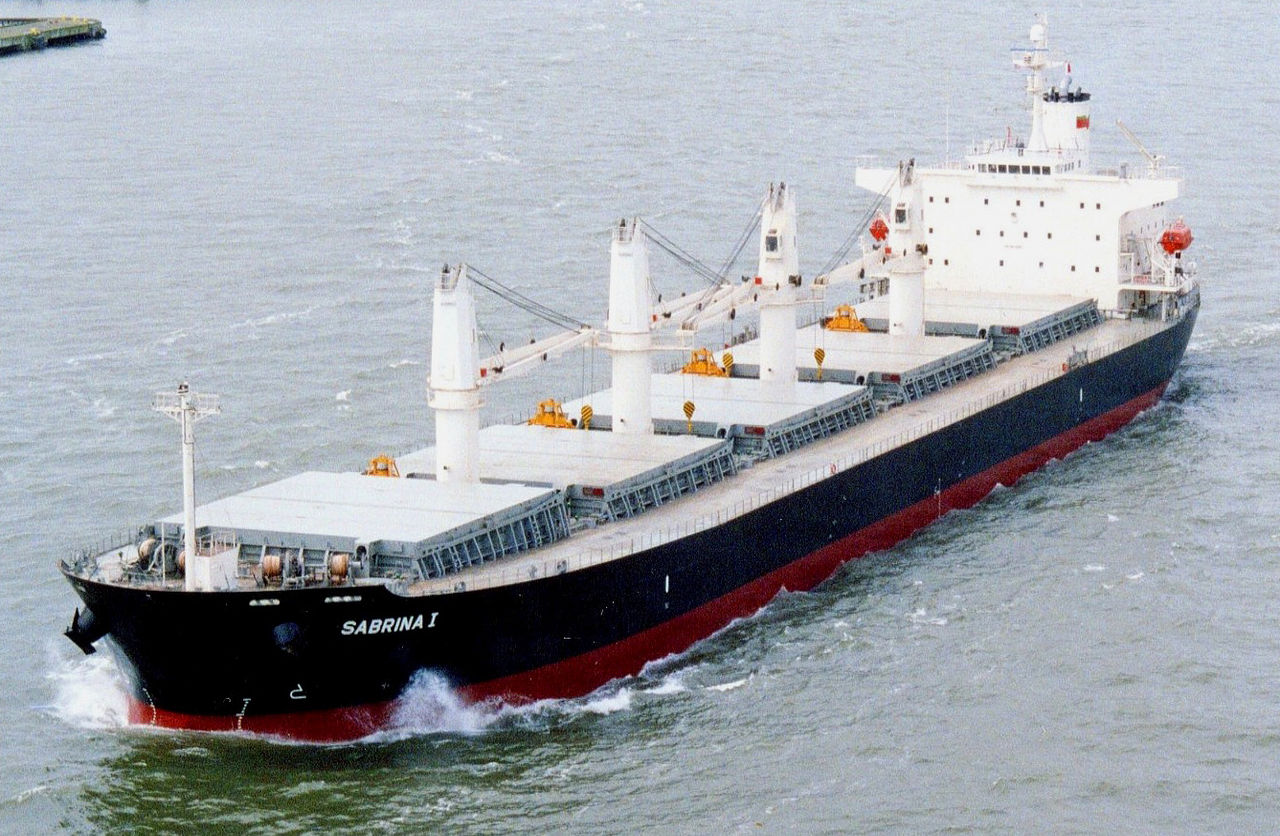
Marine engineering is the discipline of designing, operating, and maintaining the propulsion and auxiliary systems of ships. Every vessel depends on its engineering systems for propulsion, electrical power, water generation, cargo handling, and safety systems. The global fleet of over 105,000 vessels relies on marine engineers to keep them operational [UNCTAD, 2023].
This guide provides a comprehensive introduction to marine engineering basics for cadets, junior engineers, and deck officers seeking a foundational understanding of shipboard engineering systems.
Before You Begin
- Prerequisite qualifications: STCW OICEW (Officer in Charge of an Engineering Watch) certification pathway
- Key references: IMO Model Course 7.02, SOLAS Chapter II-1, Classification society rules
- Estimated training time: 3–4 years at maritime academy plus 12 months sea service
- Safety critical: Engine room operations involve high temperatures, pressures, rotating machinery, and electrical hazards
Main Engine Types
The main engine is the heart of the vessel, providing propulsion power for the entire voyage. Modern merchant ships use two main types of diesel engines.
Two-Stroke Diesel Engines
Two-stroke diesel engines are the most common propulsion engine for large merchant vessels. They are slow-speed engines (50–120 RPM) directly coupled to the propeller shaft.
- Power range: 5,000–80,000 kW
- Fuel: Heavy fuel oil (HFO) or very low sulfur fuel oil (VLSFO)
- Configuration: Inline cylinders (5–12 cylinders)
- Key manufacturers: MAN Energy Solutions, WinGD (Wärtsilä)
- Efficiency: Most fuel-efficient engine type, achieving 50% thermal efficiency
Two-stroke engines complete a power cycle in one crankshaft revolution — intake and compression on the upstroke, combustion and exhaust on the downstroke. This design delivers high power output at low rotational speeds.
Four-Stroke Diesel Engines
Four-stroke diesel engines are used as auxiliary engines for electrical generation and as main engines on smaller vessels. They operate at medium speed (300–1,000 RPM).
- Power range: 500–20,000 kW
- Fuel: Marine diesel oil (MDO) or VLSFO
- Configuration: Inline or V-configuration (6–20 cylinders)
- Key manufacturers: Caterpillar (MaK), Wärtsilä, MAN, Yanmar
- Efficiency: Lower than two-stroke engines at 40–45% thermal efficiency
Auxiliary Systems
Auxiliary systems support the main engine and provide essential services for the vessel and crew.
Fuel Oil System
The fuel oil system treats, stores, and delivers fuel to the main engine and auxiliary engines.
- Fuel storage: Bunker tanks hold fuel for the entire voyage (1,000–10,000 tonnes)
- Fuel treatment: Purifiers separate water and solids from fuel using centrifugal separation
- Fuel heating: HFO must be heated to 120–150°C before injection
- Fuel injection: High-pressure pumps deliver fuel at 800–1,200 bar
Cooling Water System
Engine cooling systems remove waste heat from the engine and maintain optimal operating temperatures.
- Freshwater cooling: Closed circuit cooling for the engine jacket, pistons, and injectors
- Seawater cooling: Open circuit cooling for freshwater coolers, lubricating oil coolers, and air coolers
- Temperature control: Thermostatic valves maintain jacket water at 75–85°C
Lubricating Oil System
The lubricating oil system reduces friction, removes heat, and cleans engine components.
- Crankcase oil: Circulated through the engine sump for bearings and cylinder walls
- Cylinder oil: Injectors deliver cylinder oil to the liner surface for ring and liner lubrication
- Oil treatment: Purifiers continuously clean the oil, removing water and solids
Compressed Air System
Compressed air starts the main engine and operates pneumatic controls and tools.
- Starting air: High-pressure air (25–30 bar) for engine starting
- Control air: Low-pressure air (6–8 bar) for pneumatic controls and automation
- Service air: Low-pressure air for tools, cleaning, and maintenance
Electrical Systems
The electrical system generates and distributes power for propulsion, hotel loads, and cargo operations.
Generators
- Auxiliary engines: 3–5 diesel generator sets providing 500–5,000 kW each
- Shaft generator: Generator driven from the main engine's shaft, providing power at sea
- Emergency generator: Independent diesel generator for emergency power supply
Power Distribution
- Main switchboard: Central distribution point for all electrical loads
- Emergency switchboard: Provides power to essential equipment from the emergency generator
- Transformers: Step down voltage from generation level (440V, 660V, 6,600V) to utilization level
Important Electrical Systems
- HVAC: Heating, ventilation, and air conditioning for accommodation and machinery spaces
- Lighting: Accommodation, deck, navigation, and emergency lighting
- Fire detection: Smoke, heat, and flame detectors throughout the vessel
- Navigation equipment: Radar, ECDIS, GPS, AIS, VHF radio
- Cargo systems: Reefer container sockets, cargo pump motors, crane controls
Engine Room Operations
Watchkeeping
Engineering watchkeepers monitor and maintain all machinery systems during their watch.
- Rounds: Hourly inspection of main engine, auxiliary engines, boilers, purifiers, and all systems
- Logbook entries: Recording temperatures, pressures, fuel consumption, and equipment status
- Alarm response: Responding to machinery alarms and troubleshooting issues
- Fuel transfer: Transferring fuel between tanks to maintain vessel trim and stability
Planned Maintenance
Planned maintenance ensures equipment reliability and compliance with classification society requirements.
- Preventive maintenance: Scheduled inspections, filter changes, oil changes, belt replacements
- Condition-based maintenance: Monitoring vibration, temperature, and oil analysis to predict failures
- Classification surveys: 5-year intermediate and 10-year special surveys for all critical equipment
Frequently Asked Questions
What is the difference between a two-stroke and four-stroke marine engine?
Two-stroke engines are large, slow-speed engines directly coupled to the propeller. They offer higher fuel efficiency and are used as main engines on large vessels. Four-stroke engines are medium-speed engines used for electrical generation and as main engines on smaller vessels.
How much fuel does a ship consume?
A large container ship or VLCC consumes 150–250 tonnes of fuel per day at service speed. Fuel consumption depends on engine power, speed, hull condition, weather, and cargo load.
What qualifications do marine engineers need?
Marine engineers require STCW OICEW certification, which involves 3–4 years of maritime academy education and 12 months of sea service. Senior engineer positions require additional STCW endorsements and sea time.
What is a boiler on a ship?
A boiler produces steam for heating fuel oil, heating accommodation, operating steam-driven pumps, and driving cargo pumps on tankers. Modern vessels use auxiliary boilers and exhaust gas economizers.
How often do ships need maintenance?
Planned maintenance is continuous. Major overhauls are scheduled annually. Classification society surveys occur every 5 years (intermediate) and 10 years (special survey), when the vessel is dry-docked for extensive inspection and repairs.
Conclusion
Marine engineering is a complex and rewarding discipline that keeps the global merchant fleet operational. Understanding engine types, auxiliary systems, electrical distribution, and watchkeeping procedures forms the foundation for a career in the engineering department. Continuous learning and hands-on experience develop the diagnostic skills needed to maintain and troubleshoot the sophisticated machinery that powers modern vessels.
References & Citations
- [UNCTAD, 2023] United Nations Conference on Trade and Development. "Review of Maritime Transport 2023."
- [STCW Code, 2010] International Maritime Organization. "Seafarer Training, Certification and Watchkeeping Code — Chapter III: Engine Department."
- [IMO Model Course 7.02, 2014] International Maritime Organization. "Marine Engineering at the Operational Level."
- [SOLAS, 1974] International Maritime Organization. "International Convention for the Safety of Life at Sea — Chapter II-1: Construction."