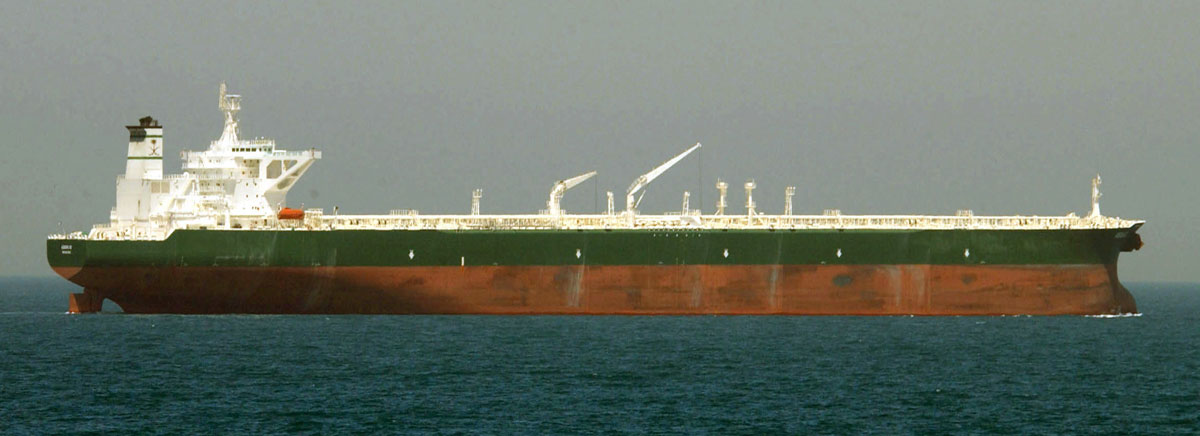
Marine Engineering represents the alternative officer-track pathway to merchant navy careers in India, focusing on vessel machinery systems, propulsion technology, and engine room operations. This comprehensive guide explores all aspects of marine engineering education in India, from foundational diploma programs through advanced degree qualifications, providing aspiring engine officers with complete information for pursuing rewarding maritime careers. Whether you're a 12th standard student or someone seeking advanced engineering qualifications in maritime sector, understanding marine engineering pathways is essential for technical maritime careers.
What is Marine Engineering?
Marine Engineering is the specialized branch of engineering concerned with design, operation, maintenance, and optimization of propulsion and auxiliary systems aboard merchant vessels. Marine engineers are responsible for ensuring reliable vessel propulsion, generating electrical power, managing fuel systems, and maintaining complex machinery systems essential for modern ship operations. The profession combines mechanical engineering expertise with maritime operations knowledge, creating high-value engineering specialists in the shipping industry.
Scope of Marine Engineering in India
India's marine engineering sector encompasses training and employment for thousands of professional engine officers annually. With India possessing one of the world's largest merchant fleets and an expanding shipping industry, demand for qualified marine engineers remains consistently strong. Marine engineers work on diverse vessel types including bulk carriers, container ships, tankers, and specialized vessels, requiring specialized knowledge for different machinery systems.
International Recognition and Career Scope
Marine Engineering qualifications awarded by recognized Indian institutes comply with international STCW standards, enabling graduates to work on any internationally-flagged vessel globally. Marine engineers from India are highly sought after by international shipping companies, commanding premium salaries and career opportunities worldwide. The global shipping industry depends on competent marine engineers, ensuring international career mobility for Indian maritime professionals.
Marine Engineering Course Options in India
Diploma in Marine Engineering (DME)
Duration: 3 years
Entry Requirement: 12th standard pass
Starting Salary: ₹60,000-90,000 monthly
Career Ceiling: Chief Engineer (₹2.5-3.5 lakhs monthly)
The 3-year diploma program provides comprehensive engine officer training, combining theoretical knowledge with practical maritime engineering skills. Graduates are appointed as 3rd Engineers aboard merchant vessels, the entry-level engine officer position.
Curriculum Focus:
- Diesel engine operation and maintenance
- Electrical power generation and distribution
- Auxiliary machinery systems
- Fuel and lubricant management
- Ship machinery installation and commissioning
- Maintenance procedures and troubleshooting
- Maritime law and regulations
Advantages:
- Faster entry to officer status (3 years)
- Immediate employment prospects
- Practical, hands-on engineering focus
- Competitive starting salary
- Clear promotion pathway
Career Progression:
- 3rd Engineer → 2nd Engineer → Chief Engineer → Superintendent Engineer
B.Sc. Marine Engineering (4-Year Degree)
Duration: 4 years
Entry Requirement: 12th standard pass (Science stream preferred)
Starting Salary: ₹1,00,000-1,50,000 monthly
Career Ceiling: Superintendent Engineer (₹3-5+ lakhs monthly or higher in shore positions)
The comprehensive four-year degree program combines marine engineering specialization with academic rigor, developing both technical expertise and management capabilities.
Curriculum Focus:
- Advanced diesel engines and alternative fuels
- Electrical power systems and automation
- Auxiliary machinery and automation
- Ship design and hydrodynamics
- Environmental management and green shipping
- Marine engineering management
- Advanced problem-solving and research
Advantages:
- Bachelor's degree qualification
- Faster promotion to 2nd Engineer (2-3 years vs 4 years for DME)
- Higher starting salary (₹1-1.5L vs ₹60-90K)
- Better shore career opportunities
- Management track eligibility
- Advanced technical expertise
Career Progression:
- 2nd Engineer (direct or after 2-3 years) → Chief Engineer → Superintendent Engineer → Shore Management
M.Sc. Marine Engineering (2-Year Postgraduate)
Duration: 2 years
Prerequisites: B.Sc. Marine Engineering + 2+ years sea service
Eligibility: For experienced marine engineers seeking advanced qualifications
Career Impact: Superintendent Engineer positions, maritime management roles
Advanced postgraduate program for experienced marine engineers transitioning to shore management or pursuing specialized technical expertise.
Diploma in Marine Engineering (DME) - Detailed Overview
DME Course Structure
Year 1 (Foundation Engineering):
- Marine diesel engines fundamentals
- Thermodynamics and combustion processes
- Electrical engineering basics
- Maritime regulations introduction
- Mechanical drawing and CAD
- Marine safety procedures
Year 2 (Core Marine Engineering):
- Advanced diesel engines and systems
- Electrical power generation and distribution
- Boiler systems and steam generation
- Refrigeration and air conditioning systems
- Auxiliary machinery
- Engine room operations and watch-keeping
Year 3 (Advanced Engineering & Specialization):
- Ship machinery systems integration
- Fuel and lubricant management
- Maintenance and troubleshooting procedures
- Environmental protection and pollution control
- Ballast water management
- Ship performance optimization
- Onboard training and practical assessment
DME Admission Requirements
Educational Qualification:
- Pass 12th standard (any stream)
- Minimum 40% aggregate marks
- English as mandatory subject
- Physics and Mathematics beneficial
Age Requirement:
- Minimum 18 years on course commencement
- Maximum 24-25 years preferred
- Optimal age window: 18-22 years
Medical Fitness:
- Vision: 6/6 correctable
- Hearing: Normal auditory function
- No chronic diseases or disabilities
- Blood tests and pathology normal
- Medical certificate valid throughout course
Entrance Examination:
- Physics and Mathematics emphasis
- Mechanical aptitude assessment
- Engineering fundamentals
- Logical reasoning
DME Fee Structure
Government Institute Fees:
- Annual fee: ₹60,000-100,000
- 3-year total: ₹1,80,000-3,00,000
Private Academy Fees:
- Annual fee: ₹150,000-300,000
- 3-year total: ₹4,50,000-9,00,000
Scholarship Availability:
- Merit-based scholarships (50% of students)
- Shipping company sponsorships
- Education loans with interest subsidy
- State government scholarships
DME Career Prospects
Starting Position: 3rd Engineer
Starting Salary: ₹60,000-90,000 monthly
Promotion Timeline:
- 3rd Engineer: 0 years, ₹60-90K
- 2nd Engineer: 3-4 years, ₹80-1,20,000
- Chief Engineer: 10 years, ₹1.5-2.5L
- Superintendent Engineer (Shore): ₹2-4L
Placement Rate: 93-95%
Employment Timeline: 4-8 weeks post-graduation
B.Sc. Marine Engineering - Detailed Overview
B.Sc. Program Structure
Year 1 (Foundation & General Science):
- Higher mathematics and physics
- Chemistry and material science
- Mechanical engineering fundamentals
- Electrical engineering introduction
- Computer applications
- Professional communication
Year 2 (Marine Engineering Fundamentals):
- Marine diesel engines theory and operations
- Electrical power systems
- Thermodynamics and energy conversion
- Mechanical systems and machinery
- Maritime safety and regulations
- Onboard training (1-2 months)
Year 3 (Advanced Marine Engineering):
- Advanced propulsion systems
- Electrical power generation and management
- Auxiliary machinery automation
- Engine room systems integration
- Environmental compliance technologies
- Performance optimization
- Extended onboard training (3-4 months)
Year 4 (Specialization & Management):
- Ship machinery systems management
- Green shipping technologies and sustainability
- Engine room automation and control systems
- Marine engineering project management
- Advanced research project
- Extended onboard training (4-5 months)
B.Sc. Admission Requirements
Educational Qualification:
- Pass 12th standard (Science stream preferred)
- Minimum 45-50% aggregate marks
- English, Physics, Mathematics or Science subjects
- Non-science students can apply (curriculum more challenging)
Age Requirement:
- Minimum 18 years on course commencement
- Maximum 23-24 years preferred
- Optimal window: 18-22 years
Medical Fitness: Same as DME (comprehensive examination required)
Entrance Examination:
- Physics (150 marks)
- Mathematics (150 marks)
- Chemistry (50 marks)
- General Knowledge/Maritime (50 marks)
- Total: 400 marks, 2.5-3 hours
B.Sc. Fee Structure
Government University Fees:
- Annual fee: ₹80,000-130,000
- 4-year total: ₹3,20,000-5,20,000
Private Academy Fees:
- Annual fee: ₹250,000-450,000
- 4-year total: ₹10,00,000-18,00,000
Hostel and Additional Costs:
- Hostel: ₹30,000-50,000 per annum
- Meals: ₹40,000-60,000 per annum
- Books and materials: ₹10,000-15,000
- Uniforms and equipment: ₹15,000-25,000 (one-time)
Financial Assistance:
- Government scholarships (merit-based)
- Shipping company sponsorships
- Education loans up to ₹20 lakhs
- State government scholarships
B.Sc. Career Prospects
Starting Position: 2nd Engineer (or promoted within 2-3 years)
Starting Salary: ₹1,00,000-1,50,000 monthly
Promotion Timeline:
- 2nd Engineer: 0-2 years, ₹1-1.5L
- Chief Engineer: 8-10 years, ₹2-3.5L
- Superintendent Engineer (Shore): ₹3-5L+
- General Manager (Maritime): ₹5-10L+
Career Earnings: 30-year career total: ₹1-1.5 crores+ annually at peak
Placement Rate: 94-96%
International Opportunities: 35-40% graduates work on foreign-flagged vessels
Marine Engineering Specializations
Engine Room Watch-Keeping
Deep expertise in engine room operations, machinery monitoring, and watch-keeping procedures. Specialization leads to experienced Chief Engineer positions.
Environmental Protection and Green Technologies
Focus on environmental compliance, ballast water management, fuel efficiency, and alternative propulsion systems. Growing specialization with premium salary opportunities.
Ship Machinery Automation
Technical expertise in automated engine room systems, control systems, and modern vessel automation. High-demand specialization.
Fuel and Lubricant Management
Specialized knowledge of fuel quality, storage, treatment, and lubricant optimization. Increasingly important for operational efficiency.
Advanced Maritime Certifications for Marine Engineers
Advanced Fire Training Certificate (AFTC)
- Duration: 1-2 weeks
- Focus: Advanced firefighting and safety
- Mandatory for offshore and specialized vessels
Advanced Certificate in Maritime Security
- Duration: 1-2 weeks
- Focus: Security procedures and protocols
- Required for high-risk route vessels
Ballast Water Management Certificate
- Duration: 1 week
- Focus: Environmental protection procedures
- Mandatory for engine officers
Advanced Certificate in Engine Room Resource Management (ACERM)
- Duration: 1-2 weeks
- Focus: Engine room team management
- Enhances promotion prospects
Top Marine Engineering Institutes in India
Government Institutes
Indian Maritime University (Chennai, Kolkata, Mumbai):
- Programs: DME, B.Sc. Marine Engineering, M.Sc. programs
- Reputation: Premier government institute
- Placement Rate: 95-98%
- Known for: Academic excellence, international recognition
Government Institutes of Maritime Studies:
- Multiple locations across maritime states
- Programs: DME and specialized courses
- Known for: Practical training, cost-effectiveness
Private Academies
Tolani Maritime Institute:
- Strong marine engineering programs
- Reputation: Industry-aligned training
- Placement: 92-94%
Indus Maritime Academy:
- Comprehensive engine officer training
- Known for: Practical, hands-on methodology
Marine Engineering Career Prospects Comparison
DME vs B.Sc. Comparison Table
| Aspect | DME | B.Sc. |
|---|---|---|
| Duration | 3 years | 4 years |
| Starting Salary | ₹60-90K | ₹1-1.5L |
| Promotion to 2nd | 3-4 years | 2-3 years |
| Chief Engineer Salary | ₹1.5-2.5L | ₹2-3.5L |
| Degree Qualification | No | Yes |
| Shore Careers | Limited | Extensive |
| Career Earnings (30 yr) | ₹3-5 crores | ₹5-8 crores |
Global Demand for Marine Engineers
Growing Sectors:
- Liquefied Natural Gas (LNG) carriers
- Offshore support vessels
- Container ship operations
- Tanker operations (chemical, oil)
- Ship management companies
Salary Premiums:
- LNG carrier engineers: 20-30% premium
- Offshore vessel engineers: 15-25% premium
- Ship management: 10-20% premium
- International companies: 15-30% premium
Marine Engineering Challenges
1. Demanding Physical Work:
- Strenuous machinery maintenance
- Hot engine room environments
- Extended working periods
- Physical strength requirements
2. Extended Sea Time:
- 6-9 month contracts typically
- Limited leave periods
- Family separation
- Isolation at sea
3. Technical Complexity:
- Continuous technology updates
- Modern automation systems
- Environmental regulations changes
- Cybersecurity in engine systems
4. Safety Hazards:
- Occupational accidents potential
- Machinery operation risks
- Oil spills and environmental incidents
- Medical emergencies at sea
Marine Engineering Advantages
1. Strong Earning Potential:
- Competitive starting salary
- Rapid salary growth
- Premium payments for specialized vessels
- High peak earning potential
2. Job Security:
- Consistent global demand
- 93%+ placement rate
- Continuous industry growth
- Reliable employment
3. Technical Expertise Value:
- Specialized skill set
- International recognition
- Career mobility across companies
- Continuous training opportunities
4. Career Progression:
- Clear promotion pathway
- Leadership opportunities
- Shore management track
- Executive positions available
5. Global Opportunities:
- International employment
- Multinational company opportunities
- Premium international salaries
- Career mobility worldwide
Success Tips for Marine Engineering Students
1. Strong Technical Foundation:
- Master mechanical and electrical fundamentals
- Develop problem-solving skills
- Understand thermodynamics deeply
- Practice technical calculations
2. Practical Skills Development:
- Maximize practical training hours
- Learn hands-on machinery operations
- Develop troubleshooting expertise
- Master equipment maintenance
3. Maritime Safety Focus:
- Internalize safety procedures
- Develop zero-tolerance for violations
- Understand hazard identification
- Practice emergency procedures
4. Physical Fitness Maintenance:
- Regular cardiovascular exercise
- Muscular strength development
- Endurance training
- Health and fitness consistency
5. Continuous Learning:
- Follow industry technological developments
- Pursue advanced certifications
- Develop specialization areas
- Stay updated on environmental regulations
Frequently Asked Questions
Q: What's the difference between DME and B.Sc. Marine Engineering?
A: DME is 3-year practical training; B.Sc. is 4-year degree combining engineering with academics. B.Sc. graduates get faster promotion, higher salary, and better shore opportunities.
Q: How much can marine engineers earn?
A: Starting: ₹60-90K (DME) or ₹1-1.5L (B.Sc.). Peak Chief Engineer: ₹2-3.5L. Superintendent Engineer (shore): ₹3-5L+. Career earnings: ₹3-8 crores over 30 years.
Q: Is marine engineering suitable for females?
A: Yes, increasingly female marine engineers work in merchant navy with equal opportunities, benefits, and career progression.
Q: What happens after ship service as marine engineer?
A: Options include shore management positions, ship management companies, maritime administration, or teaching at maritime institutes. Many engineers transition to shore careers earning ₹3-5L+ monthly.
Q: Can I become Chief Engineer with DME?
A: Yes, DME graduates can reach Chief Engineer rank (₹1.5-2.5L monthly) through continuous service and promotions, though typically 2-3 years slower than B.Sc. graduates.
Conclusion
Marine Engineering offers rewarding career pathways for technically-minded individuals seeking maritime careers in India. Both DME and B.Sc. programs provide comprehensive engine officer training, with B.Sc. offering superior long-term career prospects despite longer duration. Starting salaries are competitive (₹60K-1.5L monthly depending on qualification), with earning potential reaching ₹2-3.5L monthly as Chief Engineer and ₹3-5L+ in shore management positions. The combination of strong demand, job security, technical expertise value, and career progression makes marine engineering an excellent choice for individuals seeking stable, high-earning maritime careers. For students with engineering aptitude and maritime interest, marine engineering represents an outstanding investment in long-term professional success in India's dynamic shipping industry.