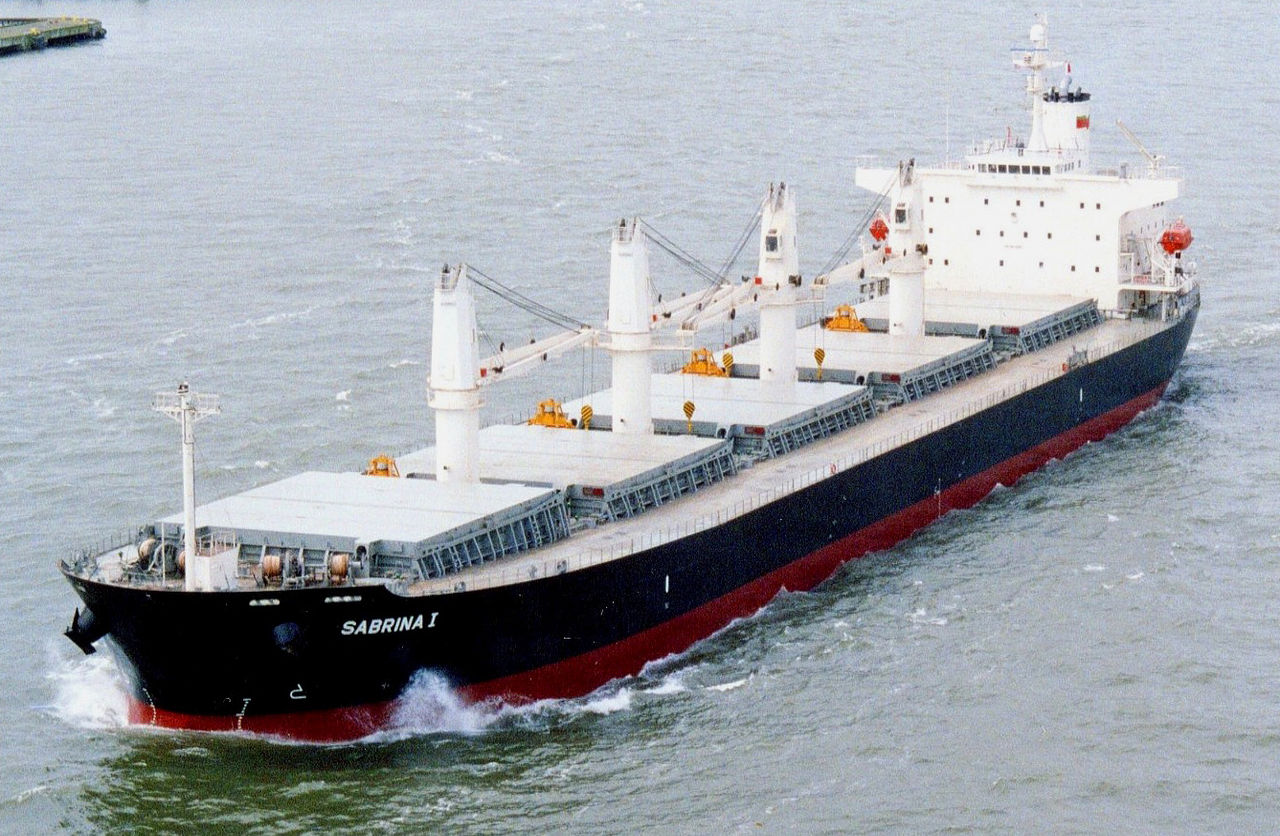
Maritime Management represents a critical career pathway for individuals seeking to transition from seafaring positions to shore-based administrative and executive roles in India's shipping industry. These specialized programs combine maritime operational knowledge with business management expertise, preparing professionals for leadership positions in shipping companies, ports, and maritime organizations. This comprehensive guide explores maritime management education options in India, admission requirements, career prospects, and advancement opportunities for maritime professionals seeking management-track careers.
What is Maritime Management?
Maritime Management encompasses business and administrative functions of shipping companies, port authorities, and maritime organizations. Maritime managers oversee operational efficiency, financial performance, regulatory compliance, and strategic planning for maritime enterprises. This field combines maritime industry knowledge with general business management principles, creating unique professional opportunities for individuals with shipping background seeking office-based leadership roles.
Significance in India's Maritime Sector
India's maritime industry generates ₹50,000+ crore annual foreign exchange and manages global cargo flows through major ports. This economic significance creates substantial demand for qualified maritime managers capable of optimizing operations, ensuring regulatory compliance, and managing international shipping businesses. Maritime management professionals command premium salaries reflecting industry importance and management responsibility.
Career Transition Opportunity
Maritime management courses provide pathway for experienced seafarers (typically 5-10 years sea service) to transition to shore-based careers without losing maritime expertise value. This transition typically increases earnings by 20-50% and offers lifestyle advantages including stability, family time, and executive career progression.
Maritime Management Education Pathways in India
Option 1: MBA in Shipping and Maritime Management (2 Years Postgraduate)
Duration: 2 years (4 semesters)
Entry Requirement: Bachelor's degree + 2-5 years maritime experience
Monthly Salary (Post-MBA): ₹2,00,000-5,00,000+
Career Timeline: 5-10 years sea experience → MBA → 8-15 years management career
The most prestigious maritime management qualification, combining business education with maritime specialization.
Curriculum Highlights:
- Shipping economics and finance
- Port operations and logistics
- Maritime law and regulations
- Supply chain management
- Business strategy and planning
- Human resource management
- Quality and environmental management
- Case studies from shipping industry
Top Institutes:
- Indian Maritime University (Chennai, Kolkata, Mumbai)
- NMIMS (Narsee Monjee Institute of Management Studies)
- XIM (Xavier Institute of Management), Bhubaneswar
- TAPMI (T.A. Pai Management Institute)
Placement Rate: 98%+
Average Starting Salary: ₹2-3 lakhs monthly
Career Ceiling: ₹5-10 lakhs monthly for VP/Director positions
Option 2: Diploma in Port Management (1-2 Years)
Duration: 1-2 years (2-4 semesters)
Entry Requirement: 12th pass or graduate degree (preference varies)
Monthly Salary: ₹1,50,000-3,00,000
Career Focus: Port operations and administration
Specialized diploma focusing on port authority operations, cargo handling, and port administration.
Curriculum:
- Port organization and structure
- Cargo handling systems
- Terminal operations
- Port infrastructure and development
- Customs and shipping procedures
- Port economics
- Safety and environmental management
Institutes:
- National Institute of Port Management (NIPM) - Premier
- Maritime academies with port management specialization
- Government port authorities (training programs)
Employment Opportunities:
- Port authority officer positions
- Terminal operator management
- Shipping agent assignments
- Port planning departments
Salary Progression:
- Entry: ₹1.5-2 lakhs
- Mid-career (5 years): ₹2.5-3.5 lakhs
- Senior (10 years): ₹3.5-5 lakhs
Option 3: Diploma in Maritime Logistics (1-2 Years)
Duration: 1-2 years
Entry Requirement: Graduate degree or 3+ years maritime experience
Monthly Salary: ₹1,50,000-2,50,000
Career Focus: Supply chain and logistics optimization
Specialized program in maritime supply chain management, containerization, and international logistics.
Curriculum:
- Global supply chain management
- Containerization and handling
- Customs procedures and documentation
- Multimodal transportation
- Port operations from logistics perspective
- Inventory management
- Risk management in logistics
- Technology in supply chain
Employment Sectors:
- Shipping companies logistics department
- Freight forwarding companies
- Container terminal operators
- Customs brokers
- International logistics companies
- E-commerce logistics management
Salary Levels:
- Entry: ₹1.5-2 lakhs
- Mid-career: ₹2-3.5 lakhs
- Senior logistics manager: ₹3-5 lakhs
Option 4: Advanced Diploma in Shipping Management (6 Months - 1 Year)
Duration: 6 months to 1 year
Entry Requirement: Bachelor's degree + 5+ years maritime experience
Monthly Salary: ₹1,50,000-2,50,000
Career Focus: Comprehensive shipping operations management
Short intensive program for experienced maritime professionals seeking quick transition to management.
Curriculum:
- Shipping company operations
- Charter party agreements
- Fleet management
- Crew management
- Vessel maintenance and repair
- Economics of shipping
- Risk management
- Strategic planning
Delivery Method:
- Part-time (weekend/evening classes)
- Full-time intensive
- Online/hybrid options available
- Flexible scheduling for working professionals
Institutes:
- Indian Maritime University
- NIPM
- Reputable maritime academies
- Business schools with shipping programs
Option 5: B.Com/BBA with Maritime Specialization (3-4 Years)
Duration: 3-4 years (undergraduate degree)
Entry Requirement: 12th pass
Monthly Salary (Entry): ₹80,000-1,50,000
Career Progression: Faster initial advancement but longer time to senior positions
Undergraduate degree combining business education with maritime industry focus.
Curriculum:
- Business accounting and finance
- Economics principles
- Management fundamentals
- Maritime industry specifics
- Shipping operations
- Port management
- International business
- General business subjects
Career Advantages:
- Degree qualification for various roles
- Broader business career options
- Entry without maritime experience requirement
- Faster advancement from business perspective
Disadvantages vs. MBA:
- No maritime operational background value
- Lower starting salary than experienced MBA
- Slower maritime industry advancement
- Requires additional maritime-specific learning
Detailed Overview: MBA in Shipping and Maritime Management
Why MBA for Maritime Professionals?
1. Credential Recognition: MBA is globally recognized management qualification
2. Salary Jump: Typically 50-100% salary increase over 3rd/2nd Officer positions
3. Career Transition: Bridge from seafaring to corporate management
4. Strategic Role Eligibility: Senior management positions require MBA or equivalent
5. International Opportunities: Global shipping company positions accessible
Typical MBA Program Structure
Semester 1 (Foundation Business):
- Accounting principles and financial analysis
- Microeconomics and macroeconomics
- Management fundamentals
- Business communication
- Quantitative methods for management
Semester 2 (Maritime Specialization I):
- Shipping economics and operations
- Maritime law and regulations
- Port management and operations
- Logistics and supply chain fundamentals
Semester 3 (Maritime Specialization II):
- Advanced shipping finance
- Vessel acquisition and management
- Crew management and HR
- Quality and environmental management
Semester 4 (Business Integration):
- Strategic management and business policy
- International business and trade
- Project management and planning
- Research project/thesis
- Capstone business case studies
Admission Requirements for Maritime MBA
Educational Qualification:
- Bachelor's degree from recognized university
- Any stream acceptable (engineering, commerce, science)
- No minimum percentage requirement typically
Maritime Experience:
- Minimum 2-3 years sea experience required
- Officer-level minimum (3rd Officer/3rd Engineer)
- Some institutes accept rating-level + 5+ years
- Sea service documentation required
Entrance Examination:
- CAT/GMAT/NMAT scores (competitive programs)
- Some institutes conduct own entrance tests
- Group discussion and personal interview
- Maritime background preference/advantage
Age Preference:
- Entry typically 26-35 years
- Younger officers (26-30) preferred
- Extensive industry experience waives age consideration
MBA Fees and Financial Assistance
Government Institute Fees:
- Annual fee: ₹1,00,000-1,50,000
- 2-year total: ₹2,00,000-3,00,000
- Relatively affordable option
Private Business School Fees:
- Annual fee: ₹5,00,000-15,00,000
- 2-year total: ₹10,00,000-30,00,000
- Premium institutes significantly higher
Scholarship Options:
- Merit-based scholarships (30-50% available)
- Employer sponsorships
- Educational loans up to ₹20-30 lakhs
- Executive scholarship programs
ROI Calculation:
- MBA cost: ₹2-30 lakhs
- Salary increase: ₹50,000-2,00,000 monthly
- ROI recovery: 1-4 years typically
Maritime Management Career Prospects
Typical Career Progression
Pre-MBA (Seafaring): 5-8 years as 3rd-2nd Officer
MBA Program: 2 years
Post-MBA Positions:
Year 1 (Entry Management):
- Assistant Manager (Operations/Planning)
- Salary: ₹1.5-2 lakhs monthly
Years 2-5 (Mid-Management):
- Manager (Fleet Operations/Logistics/HR)
- Salary: ₹2.5-4 lakhs monthly
Years 5-10 (Senior Management):
- Senior Manager/Superintendent
- Department Head
- Salary: ₹4-6 lakhs monthly
Years 10+ (Executive):
- Director (Operations/Planning/HR)
- VP/Managing Director positions
- Salary: ₹6-15+ lakhs monthly
Employment Sectors for Maritime Managers
Shipping Companies:
- Fleet operations management
- Route planning and optimization
- Charter party negotiations
- Crew management and HR
- Vessel acquisition and disposal
- Financial planning and budgeting
Port Authorities:
- Berth allocation and scheduling
- Terminal operations management
- Cargo handling optimization
- Infrastructure development
- Safety and environmental compliance
- Revenue generation and efficiency
Ship Management Companies:
- Technical fleet management
- Crew staffing and placement
- Maintenance and repair coordination
- Regulatory compliance management
- Performance monitoring and optimization
Maritime Organizations:
- Regulatory compliance (DG Shipping)
- Maritime training institutes
- Classification societies
- Maritime insurance companies
- Port state control authorities
- Maritime administration offices
Multinational Shipping Companies:
- Regional management for Asia-Pacific
- Global operations coordination
- Strategic planning positions
- Financial management roles
- Commercial management
Salary Comparison: Seafaring vs. Management
| Career Stage | At Sea Position | Land Position | Difference |
|---|---|---|---|
| Entry (3 yrs sea) | 2nd Officer (₹1-1.5L) | MBA Entry (₹1.5-2L) | +₹30-50K |
| Mid-career (8 yrs) | Chief Officer (₹1.5-2.5L) | Manager (₹2.5-4L) | +₹1-2L |
| Senior (15 yrs) | Captain (₹2-4L) | Director (₹5-8L) | +₹3-4L |
| Peak (20+ yrs) | Senior Captain (₹3-4L) | VP/MD (₹10-20L+) | +₹7-17L |
Maritime Management Specializations
Shipping Operations Management
Focus on fleet management, route optimization, vessel performance, and operational efficiency.
Port and Terminal Management
Specialization in port operations, cargo handling, berth optimization, and terminal efficiency.
Maritime Logistics and Supply Chain
Focus on end-to-end supply chain optimization, containerization, and multimodal transportation.
Maritime Finance and Economics
Specialization in shipping finance, charter parties, vessel economics, and financial planning.
Human Resources and Crew Management
Focus on crew welfare, HR management, training and development, and organizational culture.
Success Strategies for Maritime Management Students
1. Leverage Seafaring Experience:
- Share operational case studies in discussions
- Contribute practical maritime examples
- Mentor classmates on industry practices
- Apply theoretical concepts to maritime situations
2. Network with Industry Professionals:
- Attend maritime industry seminars
- Connect with shipping company executives
- Join maritime professional associations
- Build relationships for post-MBA placement
3. Develop Financial Acumen:
- Master shipping economics concepts
- Understand charter party calculations
- Study vessel performance economics
- Develop financial analysis skills
4. Build Strategic Thinking:
- Understand competitive shipping landscape
- Develop strategic planning abilities
- Study major shipping company strategies
- Analyze maritime industry trends
5. Pursue Internship Opportunities:
- Seek internships in shipping companies
- Work on strategic projects
- Develop practical management experience
- Build post-MBA employer relationships
Frequently Asked Questions
Q: Should I pursue MBA or continue seafaring?
A: MBA provides better long-term earning potential (₹10-20L vs ₹3-4L for captains), office-based lifestyle, and executive career progression. However, requires leaving seafaring. Decision depends on career goals.
Q: What's average salary increase from MBA?
A: Typical increase: ₹50,000-1,00,000 monthly immediately post-MBA, with accelerated growth to ₹5-10 lakhs monthly within 5-10 years.
Q: Which institutes offer best MBA for maritime professionals?
A: Indian Maritime University (premier option), NMIMS, XIM, TAPMI are top-tier choices. Government institutes offer better fees; private institutes offer greater brand value.
Q: Can I pursue MBA while working at sea?
A: Challenging due to 2-year continuous program requirement. Some institutes offer part-time/executive MBA (3-4 years), but most require leave from seafaring.
Q: What's placement rate for maritime MBA?
A: 98%+ placement for recognized institutes. Most graduates secure positions within 2-4 weeks of graduation in shipping companies or related organizations.
Q: Is MBA mandatory for maritime management career?
A: Not technically mandatory, but significantly accelerates advancement. Without MBA, career progression slows and senior executive positions become challenging. Diploma in maritime management offers alternative.
Conclusion
Maritime Management courses offer excellent career transition opportunities for experienced seafarers seeking shore-based administrative and executive roles. MBA in Shipping and Maritime Management remains the premium qualification, providing optimal salary progression, career advancement, and executive positioning. Alternative diplomas and specialized programs offer cost-effective, quicker entry to management positions for candidates with specific timeline or financial constraints. The combination of maritime operational background plus management education creates unique professionals highly valued in India's shipping industry, commanding premium salaries and accessing executive career pathways. For seafarers approaching 5-10 years service willing to transition to office-based careers, maritime management education represents an excellent investment in long-term professional success and earnings potential in India's dynamic maritime sector.