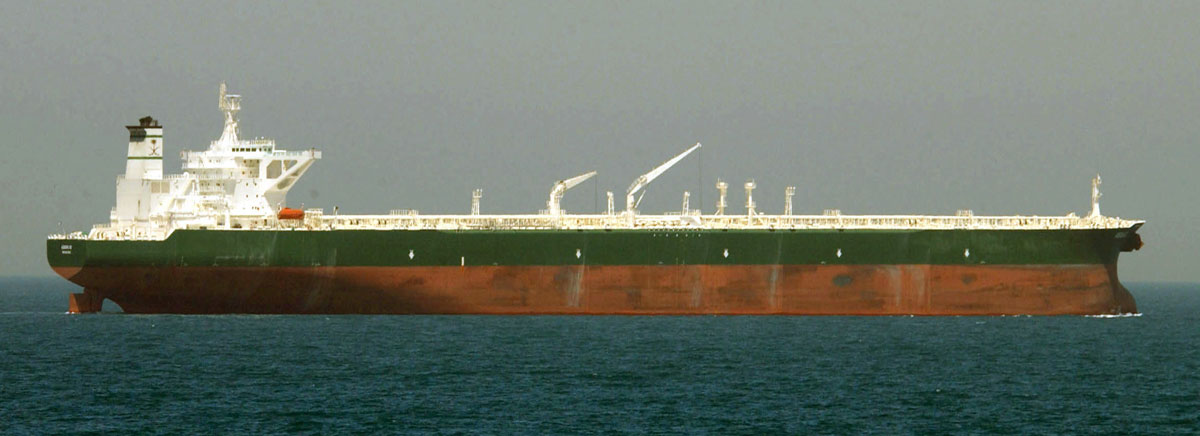
Ship Management encompasses the technical and operational oversight of merchant vessel fleets, requiring specialized knowledge combining maritime operations, technical maintenance, crew management, and regulatory compliance. This comprehensive guide examines ship management education options in India, specialized training programs, career opportunities, and advancement pathways for maritime professionals seeking management positions in technical fleet operations.
What is Ship Management?
Ship Management refers to comprehensive oversight and optimization of merchant vessels' operational, technical, and administrative functions. Ship managers ensure vessels remain profitable, safe, regulatory-compliant, and operationally efficient. This role bridges seafaring expertise with shore-based management, requiring combined understanding of vessel operations, crew management, technical systems, and business principles.
Importance in Indian Shipping Industry
India hosts significant ship management company activity, managing thousands of vessels for international owners. This industry segment generates substantial employment and represents critical infrastructure for India's maritime sector. The growth of third-party ship management companies creates substantial demand for qualified managers.
Career Opportunities in Ship Management
Ship Management courses prepare professionals for positions in specialized ship management companies, creating management career pathways without MBA requirement for technical professionals. These positions combine technical expertise with management responsibility and business acumen.
Ship Management Education Pathways
Option 1: Advanced Diploma in Ship Management (6-12 Months)
Duration: 6-12 months (intensive)
Entry Requirement: 12th pass or graduate + 3-5 years maritime experience
Monthly Salary: ₹1,50,000-2,50,000
Career Timeline: 3-5 years experience → Course → 8-10 years management career
Quick intensive program for experienced maritime professionals seeking management transition.
Curriculum:
- Vessel operations and watch-keeping procedures
- Fleet management principles and optimization
- Technical systems maintenance and planning
- Crew management and welfare procedures
- Regulatory compliance and safety management
- Risk management and incident procedures
- Documentation and record-keeping systems
- Performance monitoring and optimization
Delivery Method:
- Full-time intensive (6-9 months)
- Part-time evening/weekend (12 months)
- Blended online/classroom format
- Flexible scheduling for professionals
Institutes Offering:
- Indian Maritime University (specialized programs)
- Reputable maritime academies
- Ship management companies (in-house training)
- Maritime training centers
Career Placement:
- 85-90% placement rate
- Average starting salary: ₹1.5-2 lakhs monthly
- Employment in ship management companies
Option 2: Bachelor's Degree in Maritime Business Management (3-4 Years)
Duration: 3-4 years (undergraduate)
Entry Requirement: 12th pass
Monthly Salary (Entry): ₹80,000-1,50,000
Career Progression: Systematic advancement through management hierarchy
Traditional undergraduate degree combining business education with maritime industry specialization.
Curriculum:
- Maritime operations and procedures
- Business management fundamentals
- Fleet management systems
- Crew management and HR
- Technical vessel systems (overview)
- Maritime law and regulations
- Economics and financial management
- Supply chain and logistics
- Safety and environmental management
Advantages:
- Degree qualification recognized broadly
- Entry without maritime experience
- Structured management career path
- Business fundamentals education
Disadvantages:
- No seafaring experience integration
- Longer time to management positions
- Less practical maritime knowledge
- Entry-level salary lower than experienced professionals
Option 3: Specialized Ship Management Certificate Programs (2-4 Weeks)
Duration: 2-4 weeks (intensive)
Entry Requirement: Maritime professional (officer level or equivalent)
Monthly Salary Impact: ₹10,000-20,000 premium
Career Boost: Enhanced management position eligibility
Specialized short courses targeting specific ship management functions.
Available Certificates:
Fleet Management Essentials:
- Fleet composition and optimization
- Vessel performance monitoring
- Charter party analysis
- Route optimization
- Cost management and efficiency
Crew Management Specialist:
- Recruitment and placement procedures
- Payroll and compensation management
- Training and development systems
- Crew welfare and compliance
- Legal and regulatory requirements
Technical Ship Management:
- Maintenance scheduling optimization
- Preventive maintenance systems
- Spare parts inventory management
- Vendor and repair yard coordination
- Technical documentation systems
Maritime Safety Management:
- ISM Code implementation
- Safety management systems
- Incident investigation procedures
- Emergency response planning
- Regulatory compliance procedures
Option 4: On-the-Job Ship Management Training
Duration: 1-2 years (apprenticeship style)
Entry Requirement: 5+ years maritime experience
Career Path: Learn while working in ship management company
Direct entry into ship management companies with on-the-job training programs.
Training Structure:
- 6 months: Operations shadowing and observation
- 6 months: Gradual responsibility increase
- 6-12 months: Independent project management
- Final months: Senior responsibility assumption
Advantages:
- Earn while learning (₹1-1.5 lakhs starting)
- Practical real-world experience
- Direct integration into company systems
- Job security and employment continuity
Disadvantages:
- No formal certification initially
- Company-specific procedures emphasis
- Limited external credential portability
Advanced Ship Management Program Details
Fleet Management Specialization
Focus Areas:
- Vessel performance tracking and optimization
- Charter party negotiation and analysis
- Economic vessel utilization
- Route planning and optimization
- Fuel consumption management
- Performance benchmarking
Career Positions:
- Fleet Manager
- Performance Manager
- Technical Manager
- Commercial Manager
- Operations Superintendent
Salary Range: ₹1.5-3 lakhs monthly
Employment Sectors:
- Ship management companies (primary)
- Shipping company fleet departments
- Vessel operating companies
- International shipping lines
Crew Management Specialization
Focus Areas:
- Recruitment and selection procedures
- Placement and assignment optimization
- Payroll and benefits administration
- Training and certification management
- Crew welfare and medical programs
- Compliance with employment regulations
- Legal and contractual obligations
Career Positions:
- Crew Manager
- HR Manager (maritime)
- Training Coordinator
- Recruitment Specialist
- Welfare Officer
Salary Range: ₹1.5-2.5 lakhs monthly
Employment Opportunities:
- Crewing companies (manning agencies)
- Ship management companies
- Shipping company HR departments
- International maritime organizations
Technical Ship Management Specialization
Focus Areas:
- Maintenance planning and scheduling
- Technical documentation management
- Spare parts inventory optimization
- Vendor and repair yard coordination
- Quality assurance procedures
- Performance monitoring systems
- Environmental compliance
Career Positions:
- Technical Manager
- Superintendent Engineer
- Technical Superintendent
- Maintenance Coordinator
- Quality Assurance Manager
Salary Range: ₹2-3.5 lakhs monthly
Employment Opportunities:
- Technical ship management companies
- Classification societies
- Vessel operating companies
- International technical services
Major Ship Management Companies in India
Leading Ship Management Organizations
Bernhard Schulte Shipmanagement India:
- Global ship management leader
- Multiple vessel types managed
- Training and development programs
- Salary: ₹2-3 lakhs+ for management
- International ship management presence
- Diverse fleet management
- Career development opportunities
- Salary: ₹1.5-2.5 lakhs
- Multinational ship management
- Multiple specializations
- Global career opportunities
- Salary: ₹1.5-3 lakhs
Eastern Pacific Shipping India:
- Regional ship management leader
- Technical expertise focus
- Professional development
- Salary: ₹2-3 lakhs
- Container fleet specialization
- Advanced systems and technology
- Management training programs
- Salary: ₹2-2.5 lakhs
Government and Public Sector
Shipping Corporation of India (SCI) Management Divisions:
- Government fleet management
- Structured career progression
- Competitive salaries: ₹1.5-2.5 lakhs
- Government benefits and security
Indian Shipping Corporation (ISC):
- Public sector fleet management
- Developmental opportunities
- Government remuneration
Ship Management Career Development Pathway
Entry-Level Positions (0-2 Years)
Typical Roles:
- Assistant Manager (Operations/Technical/Crew)
- Operations Coordinator
- Technical Planner
- Crew Coordinator
Salary Range: ₹1-1.5 lakhs monthly
Responsibilities:
- Support senior manager functions
- Data collection and analysis
- Procedure and system documentation
- Administrative support
Mid-Level Positions (2-5 Years)
Typical Roles:
- Manager (Fleet/Operations/Technical/Crew)
- Senior Coordinator
- Supervisor positions
Salary Range: ₹1.5-2.5 lakhs monthly
Responsibilities:
- Independent project management
- Departmental coordination
- Performance monitoring
- Problem-solving and decision-making
Senior Management (5-10 Years)
Typical Roles:
- Senior Manager/Superintendent
- Department Head
- Regional Manager
- Specialist Expert positions
Salary Range: ₹2.5-4 lakhs monthly
Responsibilities:
- Strategic department leadership
- Budget management and optimization
- Staff management and development
- Company policy implementation
Executive Positions (10+ Years)
Typical Roles:
- Director (Operations/Technical/Commercial)
- Vice President
- General Manager
- Chief Operating Officer
Salary Range: ₹5-15+ lakhs monthly
Responsibilities:
- Corporate strategic planning
- Company policy development
- Overall operational oversight
- Board representation potential
Ship Management Technical Skills Development
Essential Skills for Success
Fleet Performance Analysis:
- Vessel performance metrics monitoring
- Consumption analysis (fuel, water, lubricants)
- Cost optimization identification
- Efficiency improvement implementation
Maintenance Management Systems:
- Computerized maintenance management (CMMS) expertise
- Planned maintenance system (PMS) understanding
- Predictive maintenance techniques
- Reliability engineering principles
Regulatory Knowledge:
- ISM Code implementation expertise
- Flag state and port state control procedures
- International maritime convention compliance
- Environmental regulations and procedures
Communication and Coordination:
- Multicultural team management
- Vessel-shore communication
- Stakeholder management
- Crisis communication procedures
Business and Financial Skills:
- Cost-benefit analysis
- Financial planning and budgeting
- Charter party interpretation
- Economic decision-making
Ship Management Certification Programs
DNV GL Professional Certification (Ship Management)
- Duration: 2-3 weeks
- Focus: Technical ship management excellence
- Validity: Industry recognized certification
- Cost: ₹20,000-40,000
ClassNK Ship Management Program
- Duration: 1-2 weeks
- Focus: Classification society standards compliance
- Validity: Classification society recognized
- Cost: ₹15,000-30,000
Inhouse Management Systems Training
- Offered by individual ship management companies
- Duration: 2-4 weeks
- Focus: Company-specific systems and procedures
- Validity: Company-specific certification
Salary Progression in Ship Management
Comparison Table
| Position | Years of Experience | Monthly Salary | Annual Bonus | Total Earnings |
|---|---|---|---|---|
| Asst Manager | 0-2 | ₹1-1.5L | ₹50-75K | ₹12.5-18.75L |
| Manager | 2-5 | ₹1.5-2.5L | ₹1-1.5L | ₹19.5-33L |
| Sr Manager | 5-10 | ₹2.5-4L | ₹2-3L | ₹32-51L |
| Director | 10+ | ₹5-10L+ | ₹5-10L+ | ₹60-120L+ |
Job Prospects and Market Demand
Current Demand: High demand for qualified ship management professionals
Placement Rate: 90-95% for diploma graduates, 98%+ for experienced professionals
Growth Areas:
- LNG carrier management (premium segment)
- Container ship management
- Offshore support vessel management
- Environmental compliance specialization
Geographic Employment:
- Mumbai and major maritime hubs (30%)
- Chennai and southern ports (25%)
- Singapore-based management (20%)
- International assignments (25%)
Challenges in Ship Management Careers
Challenge 1: Geographic Relocation:
- Potential relocations to maritime hubs
- International assignments
- Away from home for extended periods
Challenge 2: Technical Complexity:
- Complex modern vessel systems
- Regulatory updates and changes
- Technology advancements
- Continuous learning requirement
Challenge 3: Responsibility and Stress:
- Critical decision-making
- Safety and operational accountability
- Cost control pressures
- Crew management challenges
Success Strategies for Ship Management Professionals
1. Develop Technical Expertise:
- Master vessel systems thoroughly
- Stay current with technology changes
- Pursue advanced technical certifications
- Develop problem-solving abilities
2. Build Business Acumen:
- Understand shipping economics
- Develop financial analysis skills
- Learn charter party interpretation
- Understand cost optimization
3. Strengthen Leadership Skills:
- Develop team management abilities
- Enhance communication skills
- Build decision-making confidence
- Mentor junior staff
4. Network Strategically:
- Build industry relationships
- Attend maritime conferences
- Join professional maritime associations
- Cultivate senior professional mentorship
5. Pursue Continuous Development:
- Seek advanced certifications
- Pursue specialized training
- Develop emerging expertise areas
- Consider postgraduate education
Frequently Asked Questions
Q: What's average salary for ship management manager?
A: Entry-level: ₹1-1.5L monthly. Mid-career: ₹1.5-2.5L. Senior: ₹2.5-4L. Director: ₹5-10L+.
Q: Can I transition from seafaring to ship management?
A: Yes, with 3-5 years sea experience, you can pursue ship management diploma or direct company entry with on-the-job training.
Q: Which is better: MBA or Ship Management Diploma?
A: MBA provides broader career options and higher salary ceiling (₹10-20L executive level). Ship Management Diploma offers faster entry to management roles with technical credibility.
Q: What specialization has best job prospects?
A: Technical management (vessel maintenance and operations) has strong consistent demand. LNG and specialized vessel management offers premium salaries.
Q: How long to reach director position in ship management?
A: Typically 10-15 years from entry-level, or 5-8 years for experienced officers entering management track.
Conclusion
Ship Management courses and training programs offer excellent career pathway for maritime professionals seeking management positions in technical fleet operations. With growing demand from international ship management companies and attractive salary progression (₹1-10+ lakhs monthly career path), ship management represents viable alternative to MBA for experienced maritime professionals. The combination of technical maritime background plus management training creates unique professionals highly valued in specialized ship management sector. For seafarers with 3-5 years experience and management aspirations, ship management education represents efficient, practical transition to shore-based management careers in India's dynamic maritime sector.